
Uncategorized

7 San Diego Neighborhoods That Are Quirky, Interesting, Vibrant, and Fun!

Although San Diego is known for its sun, surf, and beachfront vibes, the city has so much more to offer. San Diego is one of the most diverse counties in the United States, and each neighborhood gives off it’s own vibe. Some hoods cater to artists, some to foodies, some to nightlife enthusiasts, and some still to those who love their boardwalks and board shorts. If you’re looking to buy a residence, there are so many places to choose from. Whatever your preference, here are seven of the most exciting neighborhoods for those looking to reside in San Diego.

#1 – EncinitasScreen Shot 2018-12-20 at 12.33.20 PM.png
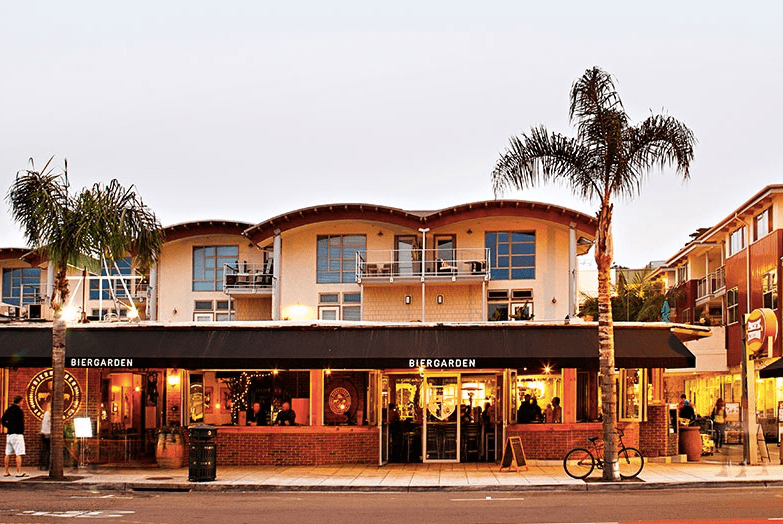
Encinitas, a city of over 61, 000 residents with a small town feel is a great neighborhood if you detest plastic, and drive a Prius. Streets are wide, the residents are extremely passionate about green living, and there are no power lines visible anywhere. It’s a best of both worlds situation here. Encinitas is a laid back beach community, however, the further east you go, the quirkier the neighborhood. The closer you get to the ocean, the higher the price. Cardiff-by-the-Sea and Leucadia are both very popular beach communities within Encinitas, and each have their own personal flair and feel. Cardiff houses the infamous Cardiff Kook statue and Leucadia’s motto is “Keep Leucadia Funky.”


#2 – North ParkScreen Shot 2018-12-20 at 12.41.43 PM.png

Southeast of downtown and bordering Balboa Park, you’ll find the diverse and eclectic uptown neighborhood of North Park. The lively streets here are stocked with locals, and lined with coffee shops, boutiques, art galleries, amazing restaurants, and craft beer pubs.  The epicenter of the neighborhood is the intersection of University Avenue and 30th Street, which holds claim to being “the best beer neighborhood in the nation. The hipsters in this neighborhood know their food and drinks, and consequently, the neighborhood homes some of the best restaurants and bars in San Diego. The homes in this area are cute but surprising large, and don’t be surprised if your neighbors actually want to get to know you!


#3 – South ParkScreen Shot 2018-12-20 at 12.05.18 PM.png

What South Park may lack in size, it makes up for with a tight-knit community of small indie businesses and events, like the South Park Walkabout, where local shops and restaurants open late and offer special deals and bites. This neighborhood, very close to North Park, pulses with shops, entertainment, and art blocks. The petite neighborhood manages to keep its cool factor high with eclectic shops and restaurants. Craft beer is also celebrated here at bars like Hamilton’s Tavern, consistently rated “best beer bar” on the West Coast, and the family friendly Station Tavern where burgers and beer are served in an old trolley station. The petite homes are some of the most adorable in the county and have a sort of old-fashioned comfy feel to them.


#4 – CarlsbadScreen Shot 2018-12-20 at 12.46.19 PM.png

Located in scenic North County, and known as “The Village by the Sea,” Carlsbad was named after a famous spa in Karlsbad, Bohemia. This quaint city has beautiful beaches, three unique lagoons, lots of shopping areas, and gorgeous golf courses. It also boasts the LEGOLAND® theme park, and the Flower Fields of Carlsbad Ranch that sports 50 acres of spectacular blooming flowers every spring. With new, widened, buffered bike lanes, more roundabouts, and community walkabouts and bikeabaouts around the village, Barrio, and beach areas; the idea being, to convince people to leave the car at home for errands and recreation.


#5 – Ocean BeachScreen Shot 2018-12-20 at 12.59.06 PM.png

Ocean Beach, often referred to as OB, is called the city where lifestyle is frozen in time, in fact, you’re more likely to see a co-op then a large chain here, and is definitely a place for the free spirited. This funky seaside town is one of San Diego’s best beach communities. It is laid back and less rowdy than it’s south neighboring neighborhoods of Mission Beach and Pacific Beach. Still, it is a great place to surf or sunbathe. OB sits on prime waterfront real estate, but the neighborhood exudes a small-town atmosphere. Where other beach communities have embraced commercialism, this town remains fiercely independent and skeptical of corporate change. The residents of OB call themselves “OBceans,” and are an extremely tight-knit community.


#6 – San MarcosScreen Shot 2018-12-20 at 1.01.56 PM.png

Home to award-winning San Elijo Hills and breathtaking lake, San Marcos is the leader in providing housing with a wide range of prices and designs, while being a community that takes environmental awareness to heart. The residents work hard to preserve the San Marcos Creek, ridgelines and sensitive habitat. It actively participates in state, federal and regional conservation programs as well as progressive local air and water quality programs. San Marcos is an excellent urban-rural setting with small town informality, plus easy access to San Diego city, southern Riverside and even Orange County.


#7 – Little ItalyScreen Shot 2018-12-20 at 1.08.44 PM.png
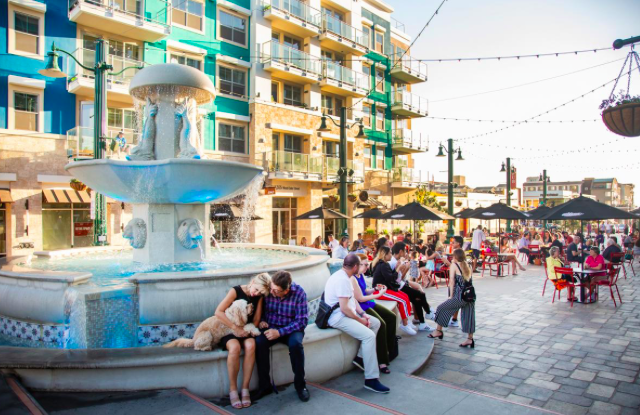
Little Italy is a place where past meets present and is one of the more vibrant neighborhoods in the city. Once home to San Diego’s flourishing tuna fishing industry and generations of Italian families who made their living on the sea, Little Italy is now a lively neighborhood filled with patio cafés, fantastic restaurants, craft brew stops, urban wineries, art galleries, sophisticated shops, boutique hotels and the beautiful Amici Park. It’s not unusual to stroll through this walker-friendly neighborhood and be greeted with a smile and a “saluto” or “ciao bella” by a stranger. The residents here seem to believe that they are in Italy, instead of just a few minutes away from downtown San Diego, and trust us, when you’re here, you will too.



Uncategorized

Five Golden Keys… to Purchasing a Second Home

Screen Shot 2018-11-24 at 1.19.45 PM

It’s hard to believe that the Holidays are already upon us. I know that buying a home right now is one of the furthest things on many of our minds right now. We’re thinking instead about Christmas gifts, decorating the house to get it ready for company, and not breaking the bank. I’m here to tell you that although mortgage rates are rising, they are still historically low, making this a great time to think about buying a second home. To make sure that your end-of-the-year-home-shopping a smooth process, instead of added Holiday stress, I’ve put together some key steps for you to follow:  

1. Find an Agent (Who Knows the Area)

Screen Shot 2018-11-24 at 1.25.57 PM

The best way to start the search for a second home is to hire a proper professional, and one who is familiar with your desired location. The necessary steps in the real estate process change over the years, so you might as well have someone on your side who’s well-versed in the nuances and can help ensure you get the best possible deal.

You always have the option to purchase a home without an agent’s help or put your house on the market as for sale by owner, however, if you’re not familiar with the buying or selling process, you may skip over necessary steps. An agent could provide you information about neighborhoods, market prices, and the pros and cons of particular properties. With their eye for the long-term value of a property, the agent could fill you in on price histories and how comparable sales have fared, as well as resale prospects.

As you may have found in purchasing your first home, agent services vary depending on the area you live in, price point, experience and availability of the agent and your ability to communicate your needs. While some agents will only help you get from point A to point B when finding and purchasing a house, others will attend inspections, tidy up the house in question, or even facilitate your entire move.

#2 – Determine Whether You Can Afford Two Mortgages

Screen Shot 2018-11-24 at 1.33.12 PM

First off, you have to qualify for a second-home mortgage, which will be an addition to any mortgage debt on your primary home. When you’re buying a home, mortgage lenders don’t look just at your income, assets, and the down payment you have. They look at all of your liabilities and obligations as well, including auto loans, credit card debt, child support, potential property taxes and insurance, and your overall credit rating.

You will need to make a down payment of at least ten to twenty percent, meet credit standards and debt-to-income requirements, and provide documents for income and asset verification. If you have a good relationship with the mortgage lender on your first home, that may be a good place to start in your quest for a second-home mortgage.

You can use a loan qualification calculator to check mortgage rates in your area.  Also, if you are thinking of tapping into your home equity you have built up on your primary residence to help pay for the second home, keep in mind that if you need that equity for an emergency, you may not be able to access it.

#3 – Factor in All Costs

Screen Shot 2018-11-24 at 1.30.30 PM

With trends like it is today, many second-home buyers are more interested in enjoying their property rather than simply obtaining a quick return on their investment. It’s important that you consider that you may still be away from the property a lot of the time, which usually entails additional costs, such as having a management company check the place in your absence for water leaks, frozen pipes or other problems.

Getting insurance for a second home may be more challenging than it is for a primary residence. This is because there are taxes that come with owning a second mortgage, and costs that will only apply to your second home. 

You should factor in costs that you may not have had to worry about with your first home. For example, if you are considering a second home on the beach, you’ll need flood insurance, in addition to regular home insurance. It has become more difficult to get flood insurance in coastal communities, and the cost has increased exponentially in some markets.

#4 – Consider Taxes and Tax Implications

Screen Shot 2018-11-24 at 1.35.58 PM

You may want to forget about deducting mortgage interest on a second home. If the home you were planning to buy is a vacation home, tax reform means you’ll pay more for your getaway.

While you could previously deduct mortgage interest on a second home as well as on a primary home — as long as your combined mortgages were under the $1 million cap — this is no longer permitted under the new rules. 

The Tax Cuts And Jobs Act caps to the mortgage interest deduction at $750,000. So if you already have a $750,000 mortgage and get a loan for a vacation home, you won’t be able to deduct the interest on the second mortgage. If you rent out your second home, you will have to consider additional tax ramifications, particularly if the rental period extends beyond 14 days a year.

The ban on deducting interest on a mortgage for a vacation home affects only new purchases, so if you already have a vacation home, you may want to hang onto it.

#5 – Consider Your Goals

Screen Shot 2018-11-24 at 1.38.26 PM

Whether you’re considering buying a second home to rent out, to move to and rent your old home, or what have you, there are some great benefits.

For one, you can sell your investment home and use the proceeds to buy another rental property without paying a capital gains tax. A rental property is a long-term investment, you could pay the mortgage with the rent income each month and pay off the mortgage without spending any of your own money. You will still be able to write-off the interest paid on your second home which is a huge plus.

When you’re ready to purchase a home, it may be beneficial to write out the goals you have for you and your family. Determine whether the second home will be a vacation home for you and your family, an emergency or guest home, or an additional income and for what purposes.

Know that writing down your goals isn’t the challenge. After all, with a word processing system, your laptop or even just pencil and paper, you can write down all the goals you like. The trick is coming up with effective goals you can realistically accomplish. Write down your needs (an adequate credit score, a substantial down payment and gross income that leaves enough for the house payment, etc.) and how you plan on going about fulfilling those needs.

I hope that all of this was helpful. If you have any questions or concerns, leave a reply below, as I’m always here to help.


Uncategorized

Prepare for your First Home Loan (Mentally, Spiritually, and Emotionally)

There’s no disputing that a home will be one of the biggest and most important purchases of your life. It’s an exhilarating, taxing, wonderful event. However, armed with the knowledge you need to begin the home loan process, it can be a satisfying experience.

Many advisors will inform you of what documents you’ll need to prepare. There are countless articles and workshops about collecting your checks, paystubs, W2s, and receipts, and they aren’t incorrect, however I’d like to offer you a few conceptual, and maybe uncommon, steps that you’ll need to shop for a home, apply for a mortgage, and close with the confidence that you got your money’s worth.

1. KNOW YOURSELF Screen Shot 2018-09-12 at 1.55.26 PM

First time home buying is about knowing yourself, what your life goals are, your priorities, and knowing how to use your income, assets and/or credit in a way that works for you.

I don’t say this lightly, but for some, getting a home might not be the best thing to do right now. I’m not trying to discourage you, but not everyone is at a place in their life to be able to afford a home. Let me explain.

I have a friend (I’ll call him Joe) who grew up in a household where his single father lived life paycheck to paycheck, and not necessarily because he had to, but because his father had been taught by his mother who happened to take life as it came, without thinking too hard about saving.

Consequently, as great a woman as Joe’s grandmother was, Joe has never been able to spend money smartly. In fact, every month he spends more money than he has.

Now, for Joe, he’ll need to first practice paying off small purchases now, until he is able to work his way up to affording to owe on a home loan. Otherwise, he may find himself biting off more than he can chew.

Before applying for a loan it’s important to know yourself, know what type of spender you are, what type of payment plan would work for lifestyle, and if it’s a good plan for your life right now.

2. FIND WAYS TO SIMPLIFY Screen Shot 2018-09-12 at 1.49.26 PM

We’re marketed to everyday. Everywhere we go, there are people telling us what our life should be or what life that we should have. As soon we turn on our TVs and our devices, we receive messages: If you buy this, you’re going to have that life. Go here or buy this and it’ll be worth your while, your taste buds will dance, your kids will be happy, you will be popular, admired and attractive!

I like to tell people to consider living a minimal lifestyle. Minimalism can be a tool in helping you find simplicity and subsequently, freedom. Most people hear that M word and immediately think they’ll have to downsize their possessions. In reality, minimalism is about making all of your decisions more consciously and deliberately.

We want to be able to spend more time with our kids, family or friends. We want to spend our time in a more balanced way. For instance, we all know that we should be exercising. In January, we all go out and buy these gym memberships. This is good news for fitness and nutrition companies, they capitalize on this want for a better life.

I’m not saying not to buy that gym membership. I’m not saying to empty out your home and get rid of that beautiful collection of books. In fact, if you’re happy and it doesn’t cause stress, then continue to do that thing.

If any aspects of your life IS causing you stress (not the good stress where you’re learning and growing, but the type where you’re not sleeping at night because you feel like you didn’t make the right decision) cut it out of your life.

I’ve been working on this aggressively, because I’m a collector, shopper and all around early adopter of anything electronic! And I can tell you, when you simplify your life because you want to align your life to support your values, that’s when happiness occurs. When minimalism is coming from a place of fear, and you’re throwing things out because you think some type of Zen will magically occur if you empty out your house, it won’t work.

3. REEVALUATE Screen Shot 2018-09-12 at 1.52.08 PM

To start simplifying your life, you need to reevaluate what your life is. The first thing you have to do is stop and consider what your grand, massive, colossal life-goal is. This is the thing that keeps you going—maybe it’s to become the CEO of an international clothing design company, or to have a non-profit historical museum. Perhaps it’s just to have a happy, stress-free, intentional life. Now ask yourself what is standing between you and your goal.

I like tell folks to identify their pain points. Maybe you have a hour-and-a-half commute to work every day. People can spend 1000 a month or more on transportation because of extra costs, they need need a better car, gas millage, maintenance, they need to house the car, parking, etc. When really, maybe they should live closer to work.

I understand, sometimes you look at your life, you want your kids to be in a certain school district, you want to be close to your parents, you like a certain coffee shop. Ask yourself if the lifestyle you’re maintaining is worth anything you’re giving up, including your financial freedom.

It’s important to be authentic. When you’re trying to be inauthentic, trying to impress others, not being honest with yourself about whether you can afford all the credit cards that you have, or whatever the case may be, it’s very hard to take a step back and evaluate your day-to-day choices and not judge yourself. You can start this new life anytime!

I am going to tell you now that you will need to collect your important papers, your paystubs, and documents, documents, documents, but really, the first step is to realize how you want to live, what lifestyle you want, what works for your lifestyle right now, and what works for your eventual goal.