
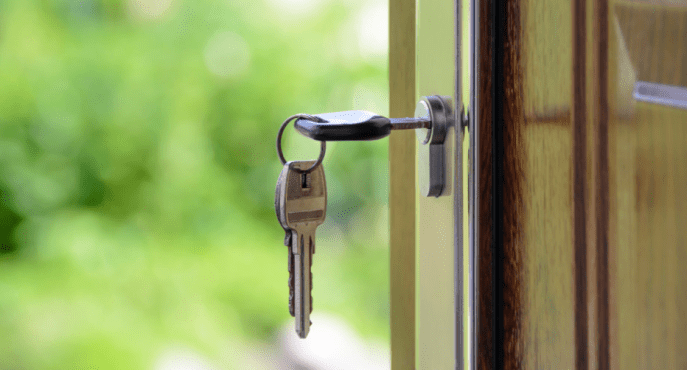
We’ve already talked about how to prepare for your first home loan. Like I’ve mentioned before, buying a home will be one of the biggest and most important purchases of your life. That said, it’s important to consider whether it’s the right time for you. Here are 10 signs that may tell you you’re ready to buy into the American dream of owning a home.
#1 You’ve Wiped Out Your Student Loan Debt 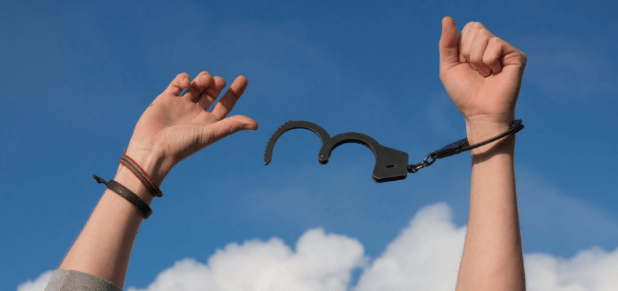
First time home buying can be expensive. Being debt-free means that you can now cover your new homeowner expenses, property tax, insurance, and maintenance with that extra cash flow not going toward your debt.
It’s also about knowing yourself. Since you’ve have destroyed those outstanding credit card bills, slayed that disgusting car payment, crushed that horrendous student loan, you have proven to yourself that doing the work that goes into owning a home isn’t an impossible feat. Go you!
#2 You Have a Job (That You Actually Enjoy) 
Experts say that you’re more likely to stay at a job that you enjoy doing, though we all know, it doesn’t take an expert to know that. While it’s important that you have a steady income in the present, knowing that you’ll have a steady job in the future, and that what you’re doing now is something you’ll be able to maintain long-term, is validation that you’re ready to make an ownership commitment.
#3 Your Credit Score has “Glowed Up” 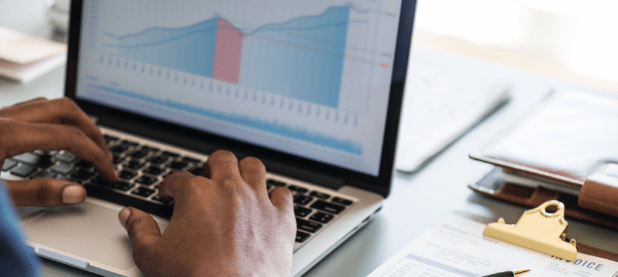
You just pulled your credit score and found it strangely high. Can this be right? Has all of your hard work really been paying off? Then, great! Congratulations! This process will be much easier for you.
If you aren’t in this boat, there are steps you can take to change this. Before applying for a mortgage, request a copy of your credit reports — Experian, Equifax, and TransUnion are credit report agencies you can use. You’re entitled to a free credit report from each of the agencies once a year. Review them for inaccuracies or incomplete information. You can also check you credit score (for free) on CreditKarma.com. Then, make your payments on time and pay down your debt. Once you have done this, you’re in a much better position to purchase. Increasing your credit score means that you can now get a better interest rate, enjoy a lower monthly mortgage, and have the financial freedom to own a home.
#4 You Got That Raise You Finally Asked For 
A rise in income can make the option to become a homeowner an affordable prospect. With a higher paycheck, you don’t have to put as large of a percentage into your mortgage budget. In fact, you never want to put more than 38-43 percent of your monthly income toward a mortgage payment (some loans go as high as 50%). The extra income can erase your financial vulnerability and make it possible to afford that home.
#5 Your Future Plans Aren’t Up in the Air 
Not that you shouldn’t reach for very dream you have, but it’s important to be realistic in how many things you can accomplish at once. If your future goals involve any larger expenses than your new home does, you may want to regroup or determine which goal is most important to you.
Make sure that goals like starting a family, starting a business, or buying a hot air balloon to travel the next two years in, actually align with you owning a home. Having too many ideas can turn into too many expenses and may lower your chances of being able to afford a mortgage payment.
#6 You’re Thinking Long Term 
If you’re planning on moving to a new city in a year, or your job likes to move you around from place to place, you may want to consider holding off on the house buying. Buying a house is a massive investment and considering most mortgages are 30 years, a home purchase is meant for the long-term.
I’m not saying that you have to decide to plant your roots firmly in the soil, but it’s definitely not something to take lightly. You should be able to reside in a place for at least five to ten years so as not to lose on your investment. Also consider what the rental market is in your neighborhood. Could you manage any negative rental cashflow if you did need to move? If you have a career that you enjoy, a relationship where you’re both able to stay planted, and kids who are grounded in a school and friends, this could be the perfect time to buy a home.
#7 You Know What You Want (and What You Can Afford) 
Here’s the truth. People who get what they want tend to be the people who put in the effort to know what they want. At least, that’s what Oprah says. She calls it steps to the “aha” moment.
Knowing what you want is important because it can help remove some of the emotional stress that home ownership consideration can cause. It’s certainly exciting to fall in love with a home, but it’s crucial to have as much information going in as you can to prepare you for anything and keep you grounded about what you want in a home.
Proportional to knowing what you want, is knowing what you can actually afford. You can budget your mortgage payment, but other factors such as it being close enough to your job, what the neighborhood is like, weather and the wear and tear that could occur are all factors that should be considered when determining what you want.
#8 You Aren’t Struggling for Cashflow & Living Paycheck to Paycheck 
Owning a home is not worth not being able to do some of your favorite things. If you can’t eat out once in awhile, go out with friends, take weekend vacations, or spend money on day-to-day items, purchasing a home is probably not something you want to do just yet. In fact, you need to factor in the hidden costs of owning a home. Put away a good amount of savings to ensure that you’ll still be able to take care of yourself before you tackle on the extra financial stress.
#9 You Can Afford that Hefty Down Payment 
That savings you put away should be enough to cover your day-to-day and provide the deposit for the down payment. It’s important to meet with a mortgage professional to determine whether a minimum downpayment program will work for you. There are programs that require a minimal down payment (government down payment assistance grants).
Once you understand what you will need to invest in a down payment, there are closing costs and reserves, for your savings and emergency fund, to consider. Once you do, you are ready to buy a house. If you want to put 20 percent down, it can be even more beneficial because you can avoid the PMI (private mortgage insurance)* requirement.
#10 Your Emergency Fund Isn’t Starving 
Your emergency fund should not be hungry. Like I said before, there are always hidden, or unexpected costs that come with owning a home, that’s just life. It only makes sense to plan for this with a savings account and emergency backup.
It’s important that you consistently feed your emergency fund before owning a home. In other words, you don’t want to have to rely on a monthly income to cover those unexpected costs–your monthly income has already been calculated and is needed for the mortgage and your day-to-day bills and expenses. Having an income set aside that is the an equivalent of at least a year of monthly bills is a good position to have before buying a house.
If, after reading this, you can still answer “yes” to each of these factors, then congratulations–you may be ready to move on to the next steps of getting prequalified, realtor, and visiting potential homes. However, it’s always a good idea to consider letting a Mortgage Professional help you determine whether you are actually ready to buy. If you have any questions regarding any of the steps above, contact me and I will be happy to help.
**Private Mortgage Insurance: what borrowers have to pay when they take out a mortgage from a commercial lender and pay a down payment of 20 percent or less. PMI insures the mortgage for the lender in the event that the borrower defaults.



 Purchase, refinance, renovation, reverse, Downpayment assistance, VA, FHA